Neighbor Sumbitted Blight – 232 Apsley Street

Property Address: 232 Apsley Street Philadelphia, Pa 19144-4219

Property Owner: Mary C. Burnett 2405 South 21st Street Philadelphia, PA 19145-4206

Property Taxes: $20,250

Last Paid: Who knows? 1998?

This row home sits in the Germantown area of Philadelphia and has been vacant for many years judging by its looks.  Can anyone comment on what is happening on the 200 block of Apsley Street?  Is this block in need of someone to come in and fix up these abandoned houses?

20131230-143628.jpg

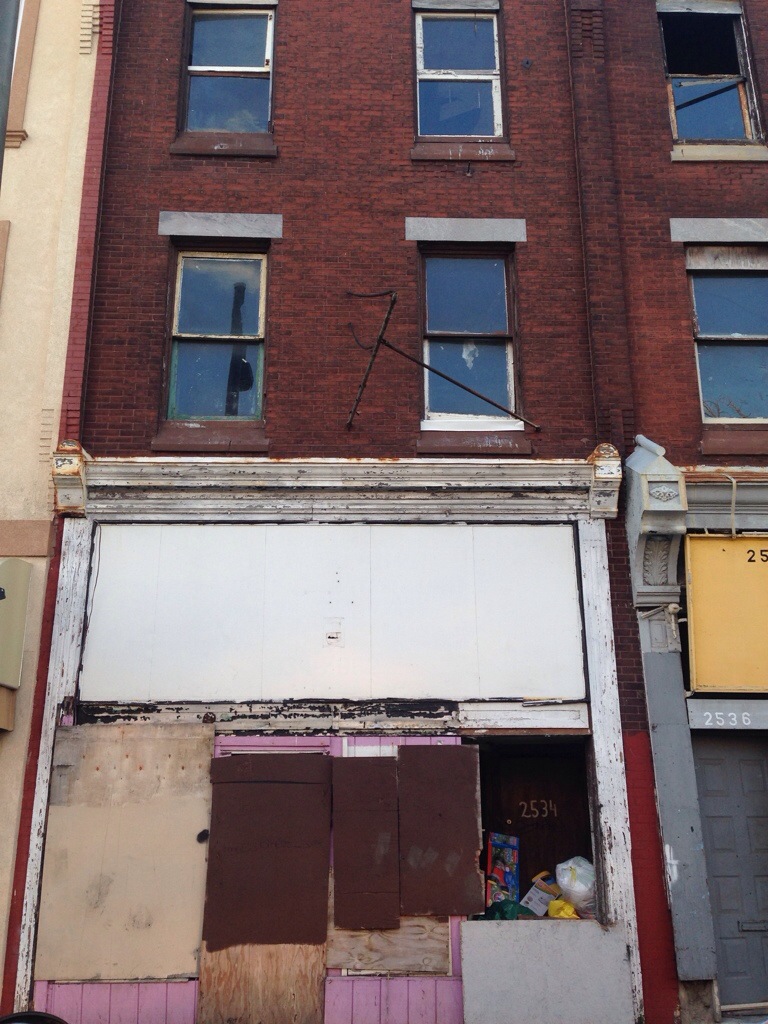
Neighbor Submitted Blight – 2534 west Lehigh ave

This 3 floor property is owned by “The Philadelphia Civic Organization.”

Abandoned since 1995, this property owes more than $15,000 in taxes

This property is also in the radius of the University of Temple .

20131229-165126.jpg

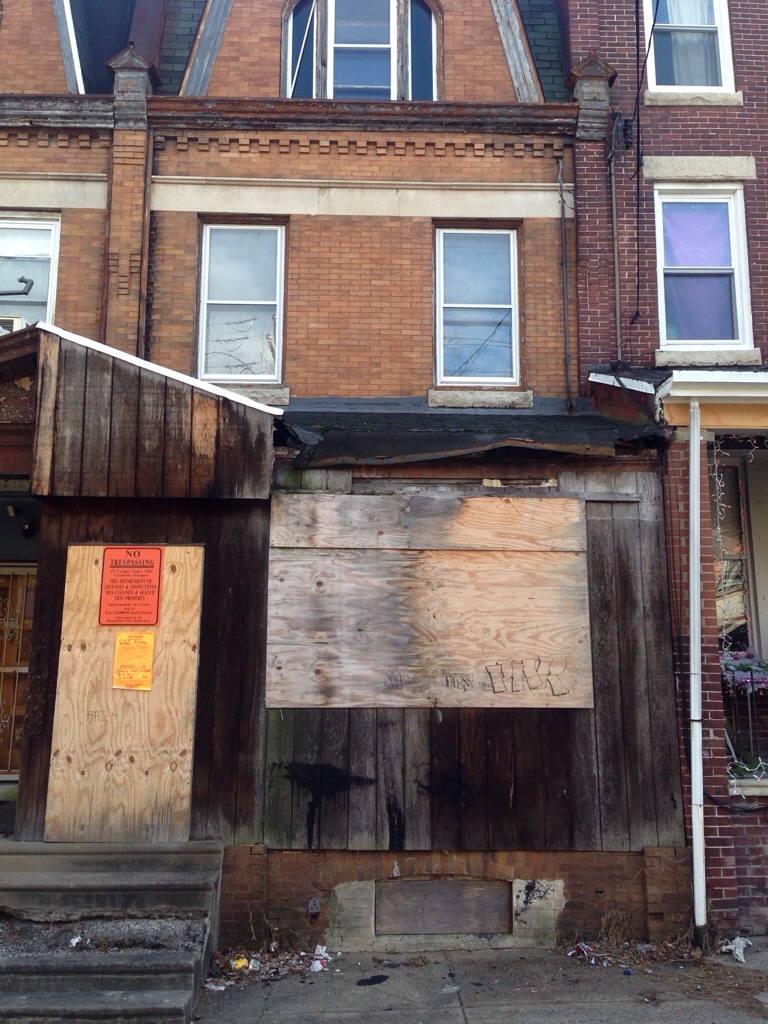
Neighbor Submitted Blight – 223 Apsley St.

photo (1)

This is a once-grand building that has sadly fallen into disrepair.  The house is 3,005 SF and was bought on Jan 6, 2010 for $1 by Norman Briggs.

According to the OPA, taxes were paid since 2009. The $1 deed indicates that the buyer could be a family member, and the taxes haven’t been paid since the purchase (or transfer) .  Current taxes, according to OPA, total $5,903.

More later.

Neighbor submitted blight – 2429 west Lehigh ave.

Potential diamond in the ruff, this property is owned by Richard Brown.

This Property Owes over a little more than $4,500 in taxes

It is also just minutes away from the. temple university campus

20131229-154328.jpg

5033 N WARNOCK ST.

5033 N Warnock

I Noticed This Property While Driving In My Neighborhood, During Research I Found That Elizabeth Sammons (owner) Purchased This Property March 16, 1991 For $13,500.

Taxes Has Been Delinquent Since 2011, Owing Nearly $4,000.

I Will Keep You Guys Posted As I Learn More

Neighbor Submitted Blight – 7812 Lister St.

This address in the greater northeast philly area was submitted recently by a neighbor.

This property is now owned by Gunther Halcsin after being transferred from his wife and himself (very odd) and is in need of occupation.

This property looks like it’s heading for mortgage foreclosure.

Submitted Property 2109 Princeton Ave.

This Property has been vacant for over 15 solid years.
It is owned by Ryan and Lise Heinemann.
Taxes for this property have Exceeded $6,562.00 and are on the rise.

1505 N 17th Street

This address in the now-hot Temple area is another example of the City’s inefficiencies, as it is owned by the Philadelphia Housing Authority and has been since 1968.  Not sure where the PHA properties fall in the Land Bank scheme, but you can be sure nothing will happen on this lot soon.

Neighbor Submitted Blight – 149 Farson Street 19139

In 1999, this property was transferred from the Estate of Lawrence Major to Cynthia Thomas, the Administratrix of the Estate, for $1.  The OPA website indicates an address in Bala Cynwyd for Ms. Thomas.

According to Philadelphia’s Revenue Department website, taxes have not been paid since the transfer. Taxes, interest, penalties, and other costs total more than $19,000.

Neighbors are concerned not only about the deterioration of economic value of their homes resulting from proximity to this property, but at least one near neighbor is concerned about the physical deterioration and dangerous conditions.

AVI and Philadelphia’s Blight and Tax Delinquency Problem

Talk about unintended consequences…with the controversy surrounding the Actual Value Initiative (AVI), the folks in City Hall are coming up with all manner of suggestions on how to collect those millions of dollars languishing in the City’s real estate taxes.  As we all know, the tens of thousands of properties in Philadelphia contributing to blight are largely the same owing millions of dollars in unpaid real estate taxes.

At a legislative briefing yesterday attended by several Council members, several proposals to collect unpaid taxes were brought up, apparently some of which are already being discussed in City and Commonwealth chambers.  Any reform in tax collections will necessarily address the blight problem, as tax-delinquent properties will as a result be sold and developed into productive real estate.

The most cogent of these proposals involves Philadelphia selling its tax liens.  No, not the way it was attempted in the past, with a huge block of liens being sold to one buyer.  That negotiated transaction is so typically Philadelphia. The deal didn’t work for a variety of reasons, depending on who you talk to.

Alan Domb, as astute and established as they come, made a very compelling argument for Philadelphia to begin selling its tax liens to private investors in an open auction, much the same as New Jersey and other states.  Under this model, anyone would be able buy tax liens with a built-in investment return, and the market for Philadelphia’s old tax debt would very quickly be cleared.

Full disclosure: As someone who has bought and put into productive use many properties with ancient debt, I would be thrilled to buy old taxes, because there are so many properties encumbered with debt where the owners are so long gone even our researchers throw up their hands in hopes of ever finding someone to buy from.

Other proposals being talked about are less promising.  Relying on the current collections companies to collect more taxes is pointless.  These agencies can’t even find owners for the current properties, as doing so takes real research and ingenuity.  Attempting to attach to investors other properties is equally futile, as anyone can hold properties in unrelated entities, making verification of ownership impossible.  Relying on the Sheriff Sale process is, well, if you think the AVI calculation is clouded in secrecy, try to fathom how the Sheriff’s office operates.  Enough said.

Tax lien sales is the only way to efficiently clear out all the old debt, and prevent a similar situation in the future.
Ravaged by Neglect

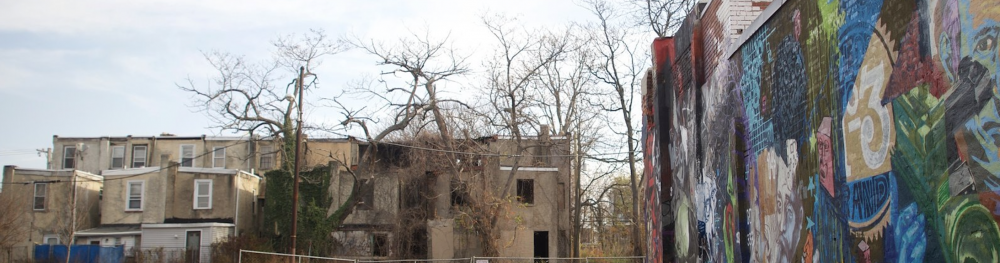
The causes, costs, and effects of property tax delinquency – detailed in this week’s PlanPhilly/Inquirer investigative series –
are staggering. Here’s a by-the-numbers breakdown of the city’s complex tax delinquency issues in bite-sized (albeit stomach-turning) bits.

Read more: Ravaged by Neglect.


How delinquency affects you

Deadbeats Damage Their Neighbors


Tax delinquent property has a profoundly negative effect on the market value of nearby homes, a new PlanPhilly / Inquirer analysis has found. In all, tax delinquency diminishes the overall tax base by a minimum of $9.5 billion. The average single family home in Philadelphia is worth 22.8 percent less, due to nearby delinquencies. That figure varies dramatically from house to house, depending on how many delinquent properties are within 500 feet.

Click below to see how delinquency affects the value of your property.

via How delinquency affects you | Philadelphia Inquirer.

Property-tax debt is ravaging Philadelphia

We have known this for years and have been working from the private market to help ease the burden. Read Patrick Kerkstra’s revealing analysis of the delinquency/blight connection:

Property-tax debt is ravaging Philadelphia

via Property-tax debt is ravaging Philadelphia.

Help KenzoRenewal Clean up Kensington – Vote Today!

We Support Jamie Moffett in His Efforts to Renew Kensington – You Should Too!

Kensington Renewal rehabilitates blighted houses and turns them into owner occupied homes. With national banks denying sub $50,000 mortgages, it makes it difficult for families to receive loans and become homeowners. As a result of this, there are many abandoned properties in the city. These abandoned homes become a source for violent and non-violent crime to thrive. It is proven that the lower the homeownership rate is the higher the crime rate will become. By Kensington Renewal rehabilitating these abandoned homes, criminal activity will drastically decrease.

Check out more and help KenzoRenewal win a grant to continue its work

via DoGooder Awards – Philly In Focus.

News from OHCD – Landcare Growing Strong and Improving Neighborhoods

Philadelphia, like many older cities, is faced with abandoned lots due to population loss. Since 1998, the City and OHCD have worked closely with the Pennsylvania Horticultural Society PHS to clean and green vacant lots and transform them into neighborhood assets.

Read more…